Top LGBTQ Beaches in California
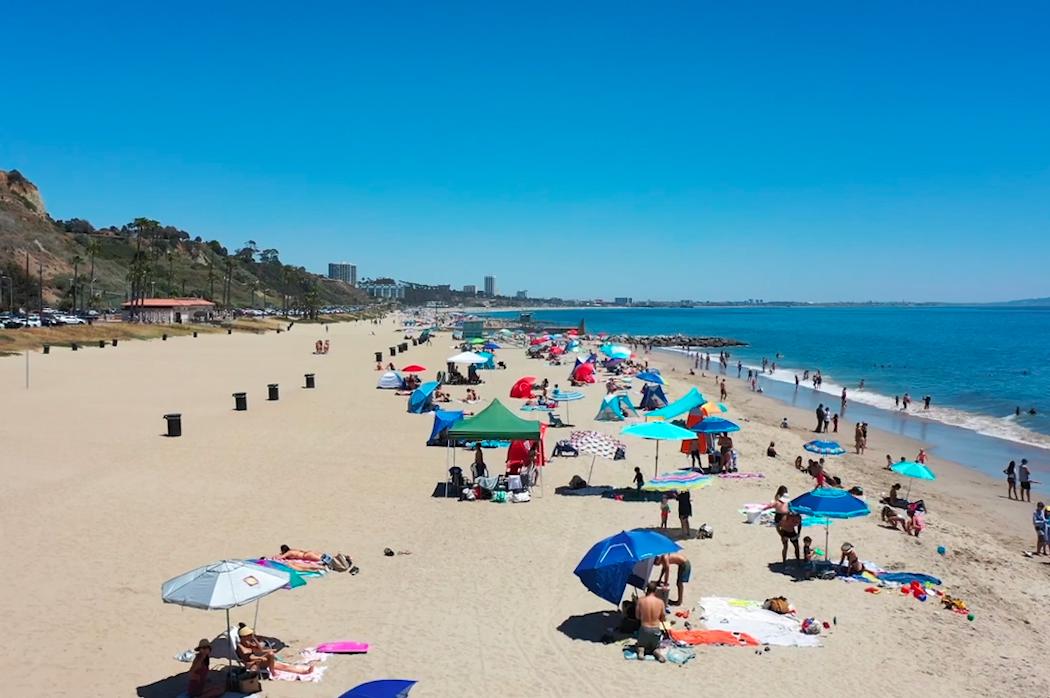
Located in the Westside region of Los Angeles County, Will Rogers State Beach - sometimes also known as Will Rogers Beach - is a large and three miles long beach with light brown sand, a few rocky breakwaters, and a few rocks. The approximate area of this beach is around 103 acres. This beach is located in the neighborhood of Pacific Palisades - it is important to note that despite this beach’s name, Will Rogers State Beach is actually managed by the County of Los Angeles. The southern portion of this beach is wide and sandy and the central portion of this beach has a series of short rocky breakwaters. The northern portion of this beach is significantly narrow and this portion is also rockier than other parts of Will Rogers State Beach. The northernmost portion of this beach is named Sunset Point Beach and it is also known as Sunset Beach. In addition, there is also another portion of Will Rogers State Beach that is known as Ginger Rogers Beach - this beach is located near the southernmost portion of Will Rogers State Beach. Ginger Rogers Beach is located just south of the intersection of Pacific Coast Highway and Entrada Drive - this beach is popular with the local LGBTQ+ community. Will Rogers State Beach is named after famous Hollywood actor and cowboy Will Rogers - Will Rogers initially owned a portion of this beach area and he also owned an estate nearby. After Rogers’ death in a plane crash in 1935, his wife Betty inherited his estate and properties. Betty in turn donated Rogers’ coastal land to the State of California. Will Rogers State Beach was dedicated to the public by the State of California in 1942. In 1975, the County of Los Angeles took over the management of this beach from the State of California. There is a rock on Will Rogers State Beach that has a bronze plaque commemorating Will Rogers. Will Rogers State Beach should not be confused with another separate state park named Will Rogers State Historic Park- this state park is located near Will Rogers State Beach. As an interesting fact, many movies and television shows have been shot on Will Rogers State Beach including the popular television show Baywatch, the 1954 movie Creature from the Black Lagoon, and the 1950Humphrey Bogartmovie In a Lonely Place. A creek named Rustic Creek flows in the southern portion of Will Rogers State Beach - once this creek passes the beach, it flows into the Pacific Ocean. Will Rogers State Beach has lifeguards - the lifeguards here are deployed from sunrise to sunset. In addition to lifeguards, Will Rogers State Beach also has many other amenities including picnic tables, a children’s playground, concession stands, restrooms, a walking path, showers, volleyball courts, and a biking path. Dogs are not allowed in Will Rogers State Beach. Beach wheelchairs for visitors with disabilities are available at Will Rogers State Beach on a first-come-first-serve basis. If you want a beach wheelchair, you can contact the lifeguards posted at Will Rogers State Beach for more information regarding the wheelchair booking process.
Please note that as a result of the Palisades Fire in January 2025, many of the businesses and homes near Will Rogers State Beach have been destroyed, and we recommend not visiting this beach due to unsafe water conditions and poor air quality.
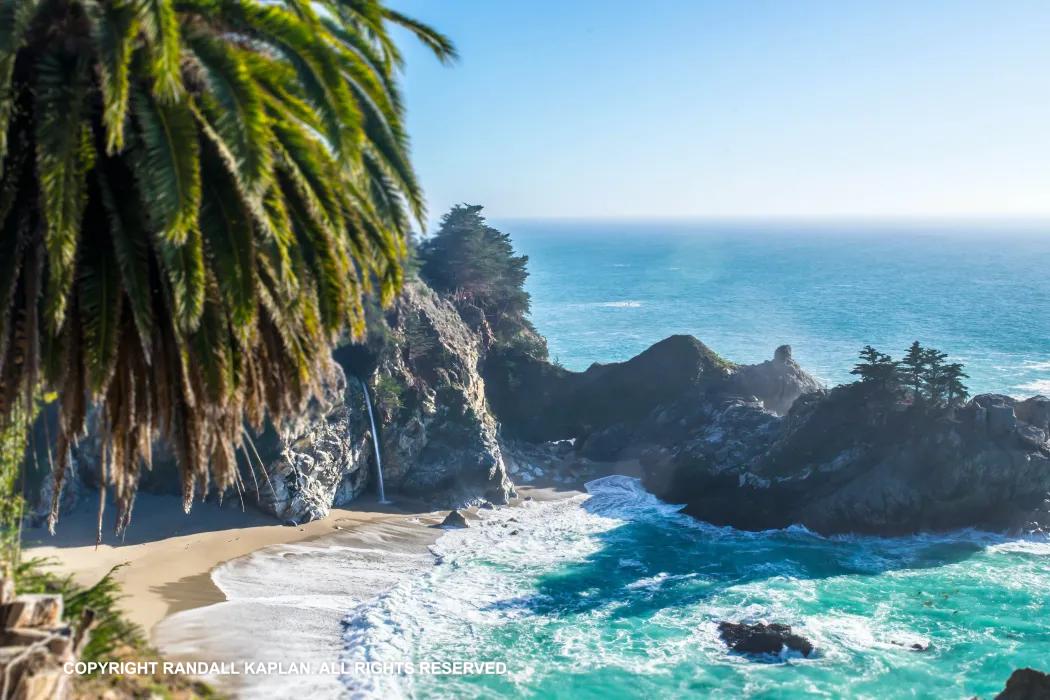
Pfeiffer Beach also featured in USA Today's list of Top Ten Beaches in California in 2015 and countless other lists on travel planners. Moreover, it is popular among pet lovers as it allows dogs on leash and is one of the few beaches in the Big Sur region to do so. If you are planning to go into the water near Pfeiffer Beach, we recommend being extremely careful and preferably wearing a wetsuit as the water here is extremely cold and is known for dangerous rip currents. Moreover, between May and July, this part of the Big Sur coastline becomes extremely foggy (a phenomenon known locally as the "June Gloom") which can make navigation difficult while in the water near Pfeiffer Beach. Nevertheless, you can stay on the beach and observe a variety of animals present in the water here including seals, sea lions, dolphins, and migrating grey whales (between December and April). You can also explore the tide pools present on the northern side of the beach during low tides which contain a variety of animals including crabs, mollusks, and sea urchins. You can also explore the various interesting rock formations present around the beach shoreline. Pfeiffer Beach is a popular spot among photographers for its unique geographical features. We recommend visiting this beach at around sunset as during this time sun rays seem to pass through the natural tunnel at Keyhole Arch, presenting a beautiful illusory effect.
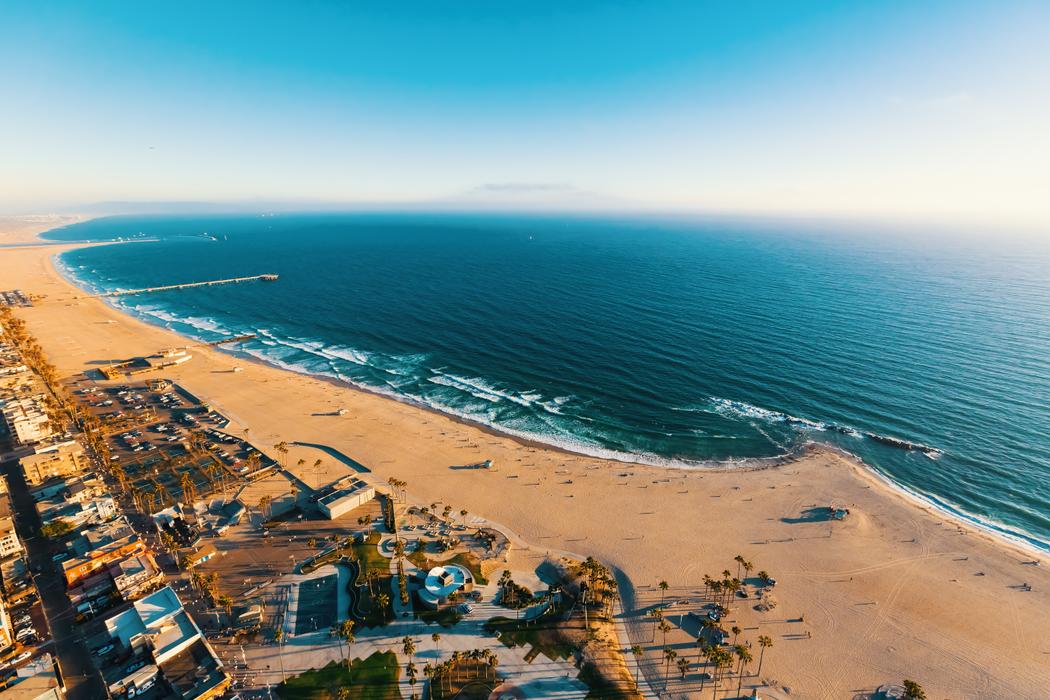
Located in the city of Venice in Southern California, Venice Beach – also known as Venice City Beach - is an extremely popular three-mile long beach that has light brown sand and rocky breakwaters. This beach is very large – approximately 238 acres in size. The southern portion of Venice Beach is known as Venice Pier Beach- this portion received this name because it has a 1,300-feet long pier named the Venice Pier that is also known as Venice Fishing Pier. Venice Beach has been named the 3rd Best Beach in the Top 50 Beaches in the United States list in 2022 by Randall Kaplan, the world's foremost beach expert who is known as "Mr. Beach.” (Please note that Venice Beach in California should not be confused with another popular beach in the United States named Venice Public Beach, which is also known as Venice Beach) that is located in Sarasota County in Florida.)
Venice Beach hosts many sporting events, and two of them – skateboarding and 3x3 basketball – will be held there during the 2028 Summer Olympics. Venice Beach has lifeguards from 8 am to sunset (that usually occurs around 6 pm) - during summers, lifeguards here are posted from 7 am till sunset (that occurs around 8:30 pm). In addition to lifeguards, Venice Beach and the area around it offer many other amenities including picnic areas, restrooms, showers, bike rental facilities, a bike path, grassy recreational areas, paddle tennis courts, basketball courts, skateboarding, volleyball courts, handball courts, walking paths, nearby watersports equipment rental facilities, and a kids’ play area. Dogs are not allowed on Venice Beach.
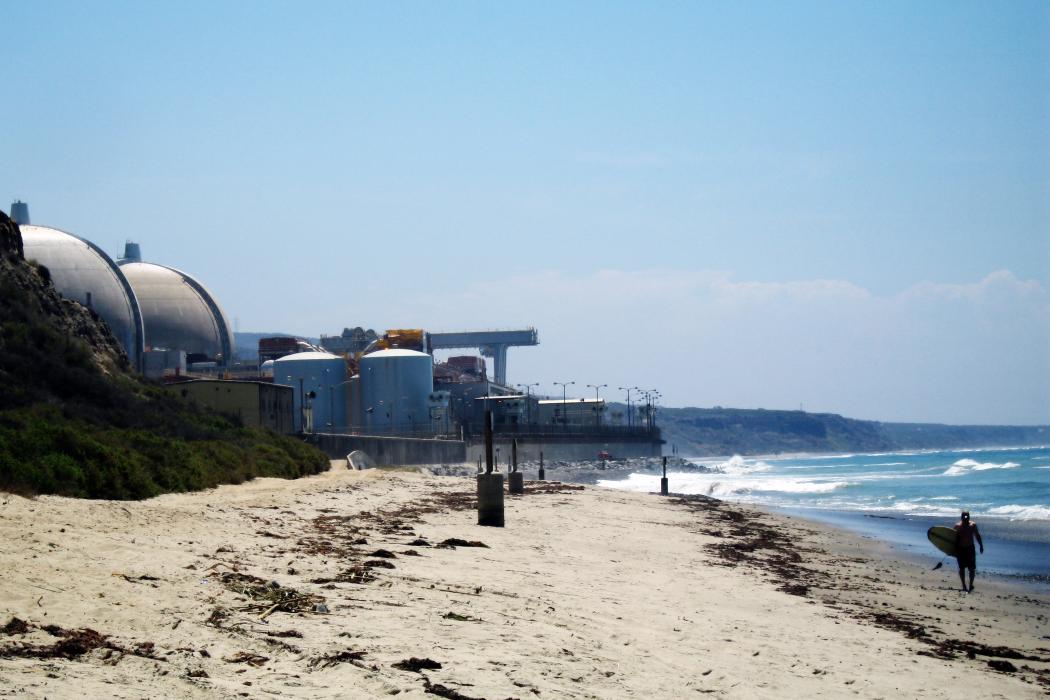
Located in the city of Oceanside, San Onofre State Beach - Nude Beach is a long and wide beach that is a part of a state park named San Onofre State Beach. San Onofre State Beach - Nude Beach is backed by a bluff and is a clothing-optional beach.
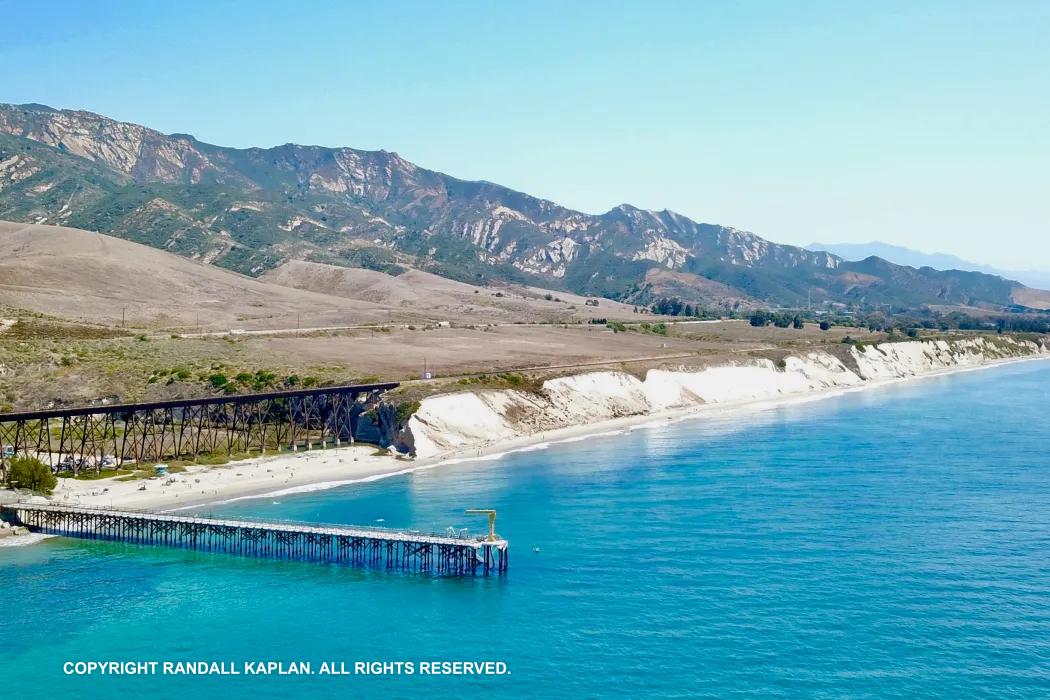
Located along the Gaviota Coast in Santa Barbara County in Southern California, Gaviota State Park Beach - also known as Gaviota Beach - is a small golden sand beach with many rocky portions. This beach is part of Gaviota State Park, which encompasses over 2,800 acres and has a spectacular backdrop of rugged coastal bluffs, dunes, grasslands, lush vegetation, Gaviota State Park Beach & Campground, and the Southern Pacific Railroad trestle bridge that runs above the beach, creating a picturesque setting along the Santa Barbara Channel. Gaviota State Park Beach is part of the Kashtayit State Marine Conservation Area managed by the California Department of Parks and Recreation and is promoted as an ecotourism destination, encouraging sustainable tourism practices that preserve its natural environment and marine life.
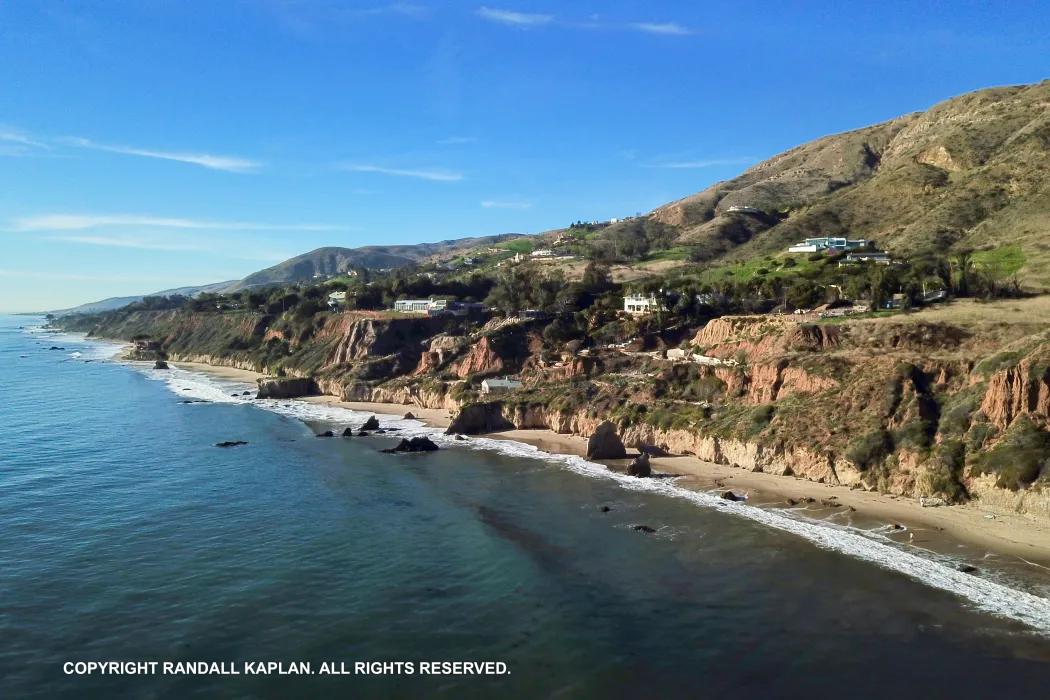
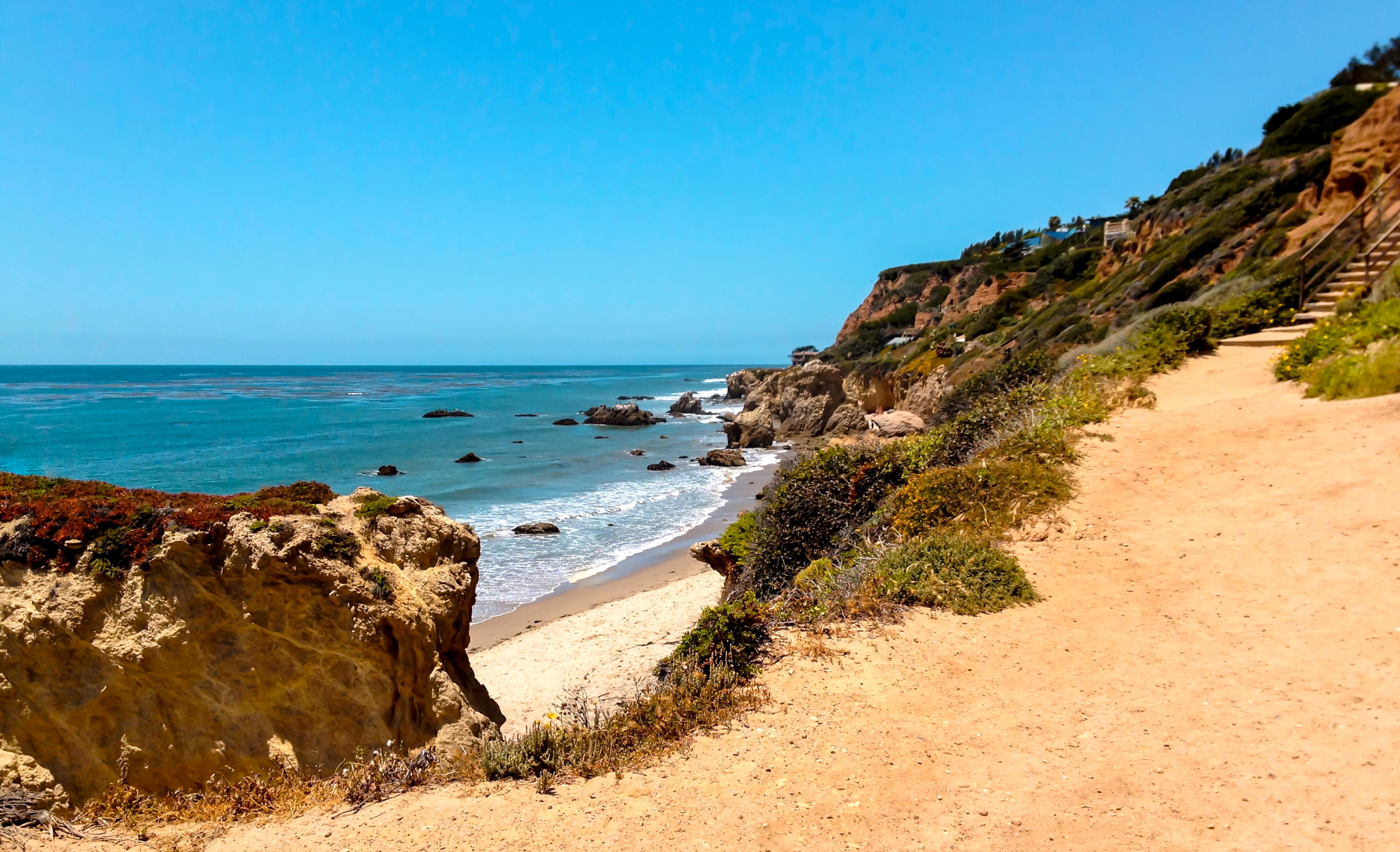
El Matador Beach, located in Los Angeles County, is one of three beaches that make up the Robert H. Meyer Memorial State Beach (the other two are El Pescador Beach and La Piedra Beach). Nestled along the scenic Pacific Coast Highway, El Matador Beach, or “El Mat,” is known for its picturesque rock formations, golden sands, and is located below dramatic oceanfront bluffs that are lined with very expensive multimillion-dollar homes that, in some cases, exceed $30 million.
The beach has been named as the 11th best beach in “Top 50 Beaches of the United States” list in 2022 by Randall Kaplan, the world’s foremost beach expert who is known as “Mr. Beach.” Managed by the California Department of Parks and Recreation, El Matador Beach is also celebrated by Lonely Planet as one of the top beaches in the U.S., and it’s often recognized as one of Los Angeles’s best beaches. Visitors can enjoy the beach daily from 8 am until sunset.
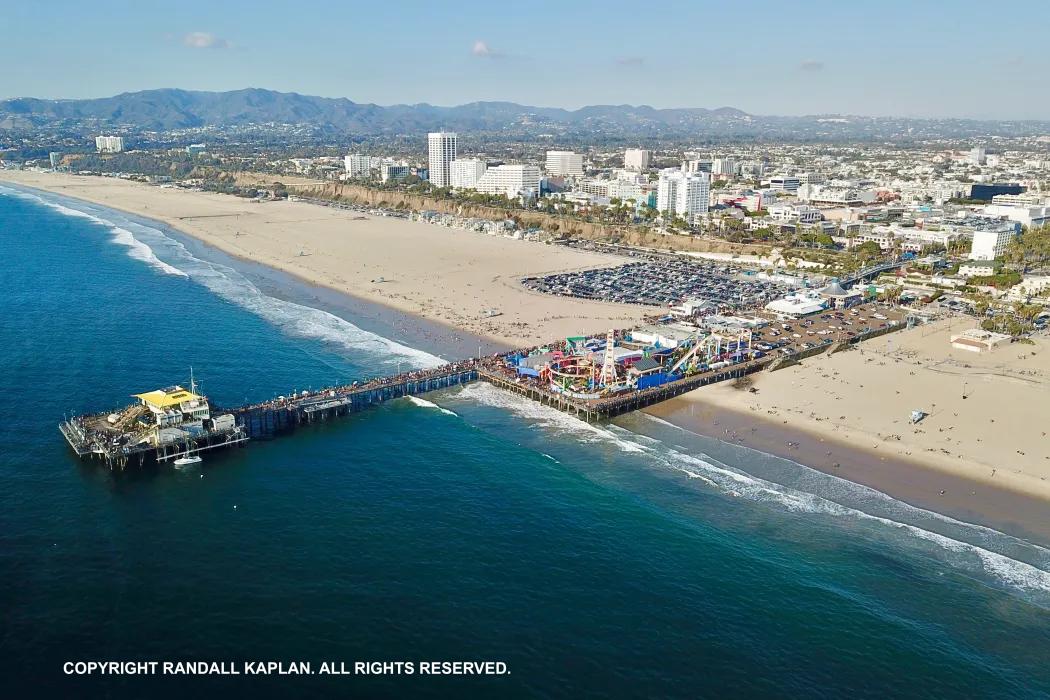
Santa Monica Beach, located in the city of Santa Monica, is a highly popular 3.5-mile-long beach with light brown sand. This beach, also known as Santa Monica State Beach, is divided into three main sections: Santa Monica Beach - North Beach (which is also known as Santa Monica - North Beach and Santa Monica North Beach), Santa Monica Beach - Pier Beach (which is also called Santa Monica - Pier Beach and Santa Monica Pier Beach), and Santa Monica Beach - South Beach ( which is also called Santa Monica – South Beach, Santa Monica South Beach, and Ocean Park Beach).
Santa Monica Beach—North Beach is quieter, offering a more peaceful experience, while Pier Beach is at the center and features the iconic Santa Monica Pier. Santa Monica Beach - South Beach, also referred to as Ocean Park Beach, is situated to the south of the pier.
Santa Monica Pier, stretching 1,650 feet, is a well-known landmark and draws millions of visitors annually. It is an iconic pier that was initially opened in 1909 and has been designated as a Santa Monica Historic Landmark - this pier offers a large variety of things to do including a popular amusement park named Pacific Park that has the world’s only solar-powered Ferris wheel, fun rides for kids (including a 1920s carousel), an arcade, an aquarium at the end of the pier named Heal The Bay Aquarium, and interesting concessions and shops. If you are planning to fish from the Santa Monica Pier or from any part of Santa Monica State Beach, please follow the local fishing regulations that can be found on the website of California Department of Fish and Wildlife.
Santa Monica Beach is also frequented by snorkelers and scuba divers, and visitors may spot wildlife such as seals, sea lions, and migrating whales at certain times of the year. If you’re into biking or skating, the Ocean Front Walk (also called the Santa Monica Boardwalk) offers a scenic path with oceanfront views and passes by various restaurants and shops. The North Beach Trail section includes unique artwork inspired by local plant and animal life. A portion of another famous biking trail named the Marvin Braude Bike Trail (also known as The Strand) is also located along Santa Monica State Beach - this popular 22-mile oceanfront biking, jogging, and roller-skating trail mostly runs parallel to the coastline of the Santa Monica Bay.
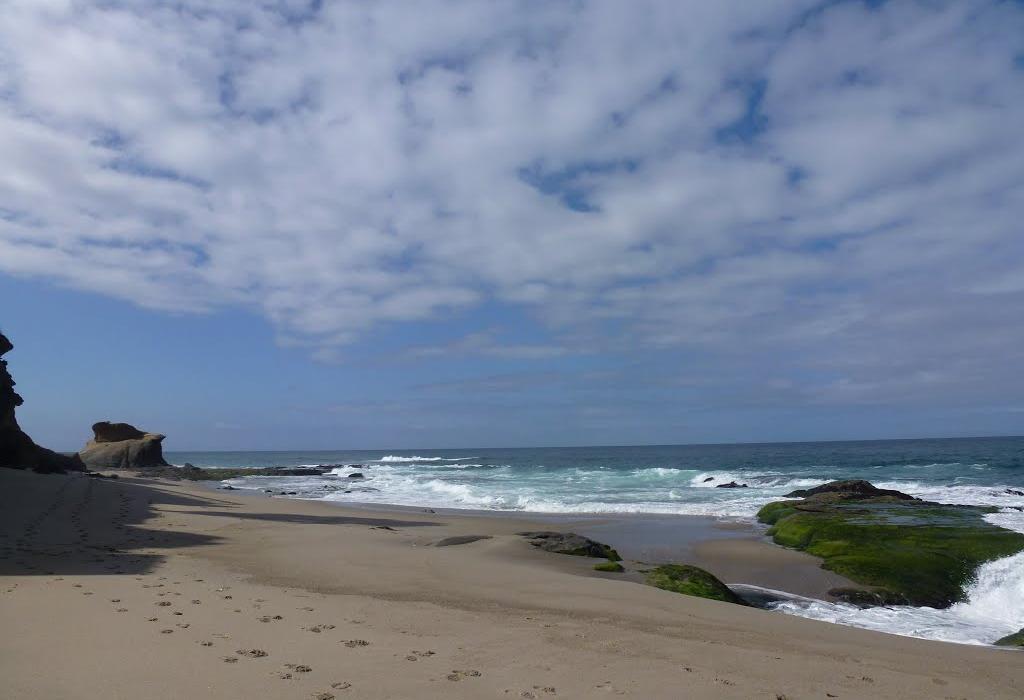
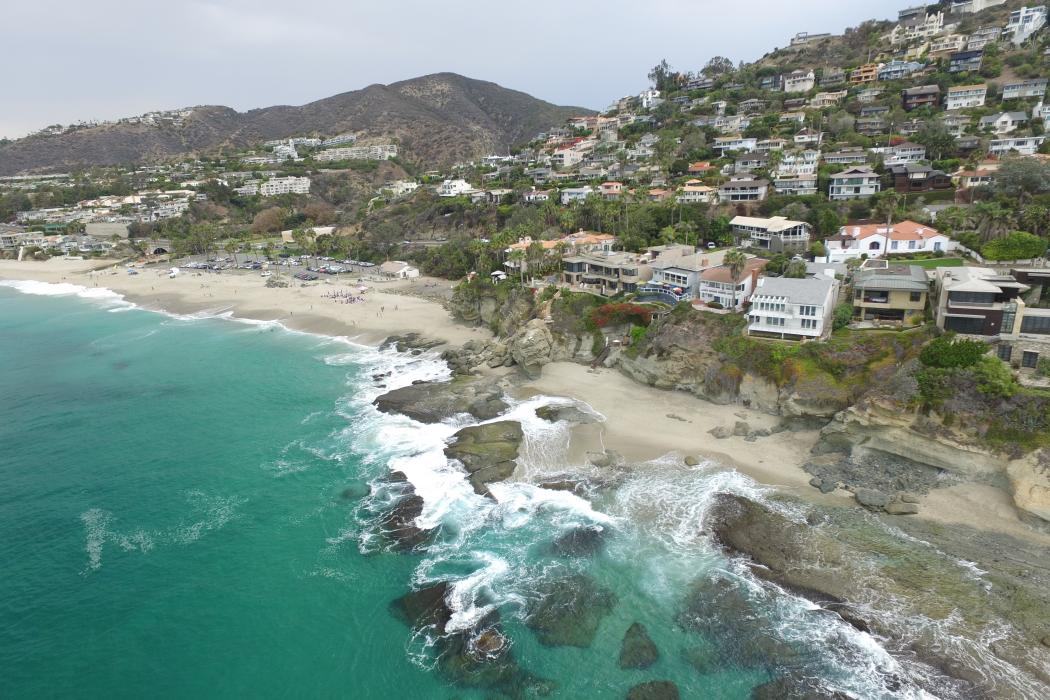
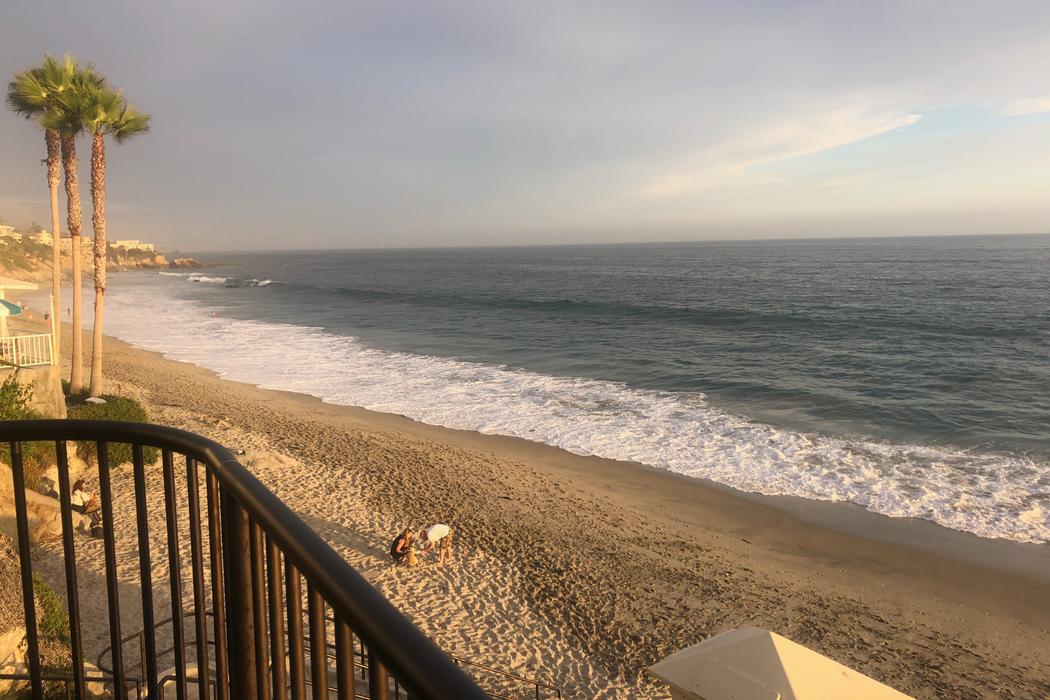
Located along the Orange County coast in Laguna Beach, Aliso Beach is a popular family-friendly beach because of its many amenities including public restrooms, showers, concession stands, and a large parking lot.
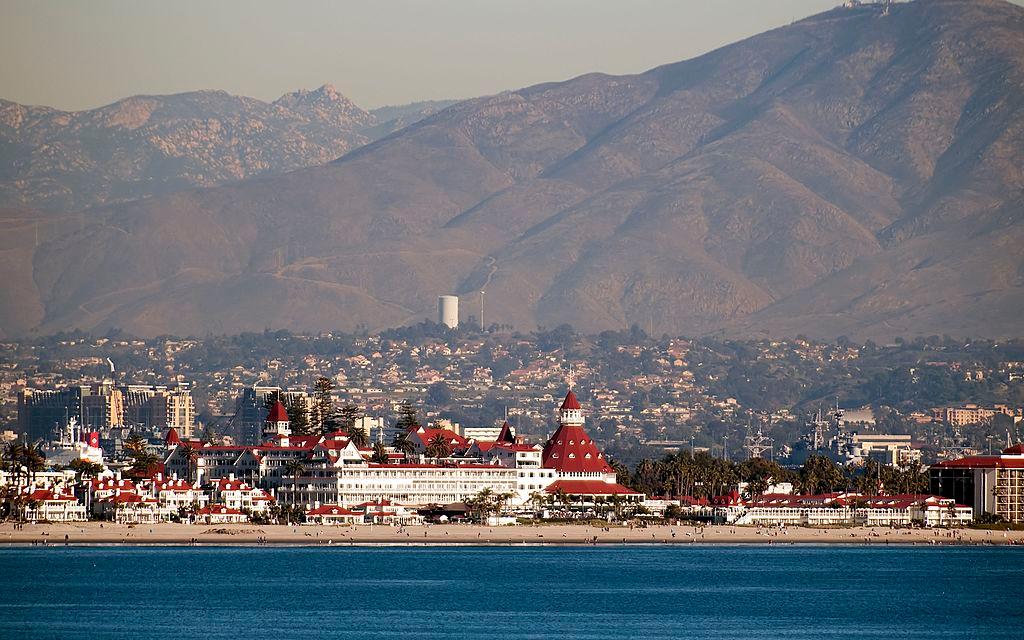
Located near the San Diego Bay, Coronado Beach - also known as Central Beach and Coronado Central Beach - is a large and flat beach with light brown sand and sparse vegetation. Coronado Beach starts near the historic Hotel del Coronado and spans north along Ocean Boulevard all the way north to a park named Sunset Park. This popular beach is one of the main beaches of the resort-city of Coronado (which is also nicknamed as "Crown City"). Coronado Beach has been named one of the Top 100 beaches in the United States by Randall Kaplan, the world’s foremost beach expert who is known as Mr. Beach. The approximately one-and-a-half miles long beach has a wonderful backdrop of oceanfront residential buildings. The sand in Coronado Beach has a substance named mica, which occasionally causes it to shine. Visitors can encounter this shining sand around the water near Coronado Beach during calm water conditions. The shoreline around this beach also has remnants of a sunken ship named SS Monte Carlo, which was shipwrecked here in the 1930s.
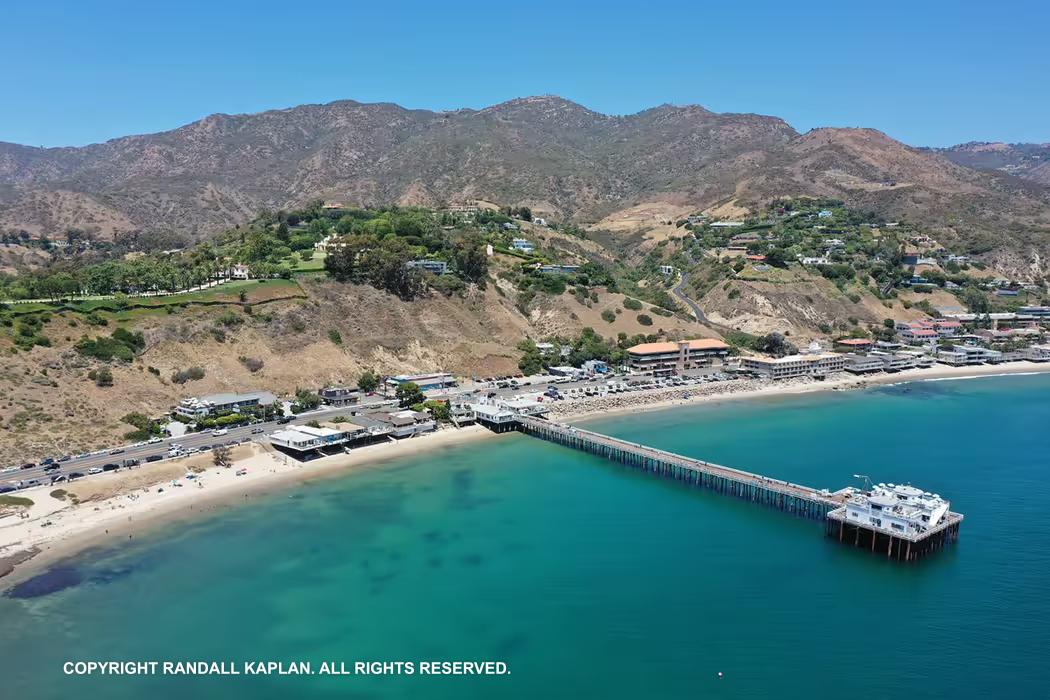
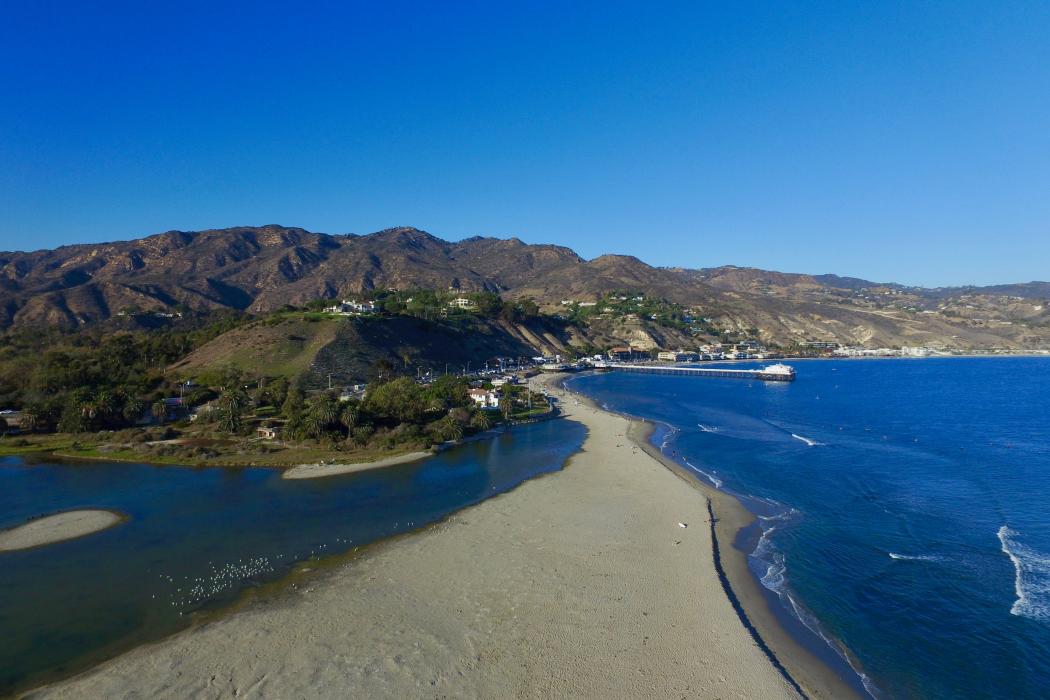
Located in the city of Malibu, Surfrider Beach - also known as Malibu Surfrider Beach - is a mile long and is considered the place to go for the ideal Southern California surfing experience. The beach is part of the Malibu Lagoon State Beach, which is spread over 110 acres and also includes the Malibu Lagoon and the Malibu Pier. Surfrider Beach is positioned on the western side of the Malibu Lagoon, where Malibu Creek drains into the Pacific Ocean. The beach has a spectacular background of many oceanfront buildings, including hotels, restaurants, and a museum, which together provide Instagram-worthy views of the Santa Monica Mountains and the vast Pacific Ocean, especially at sunset.
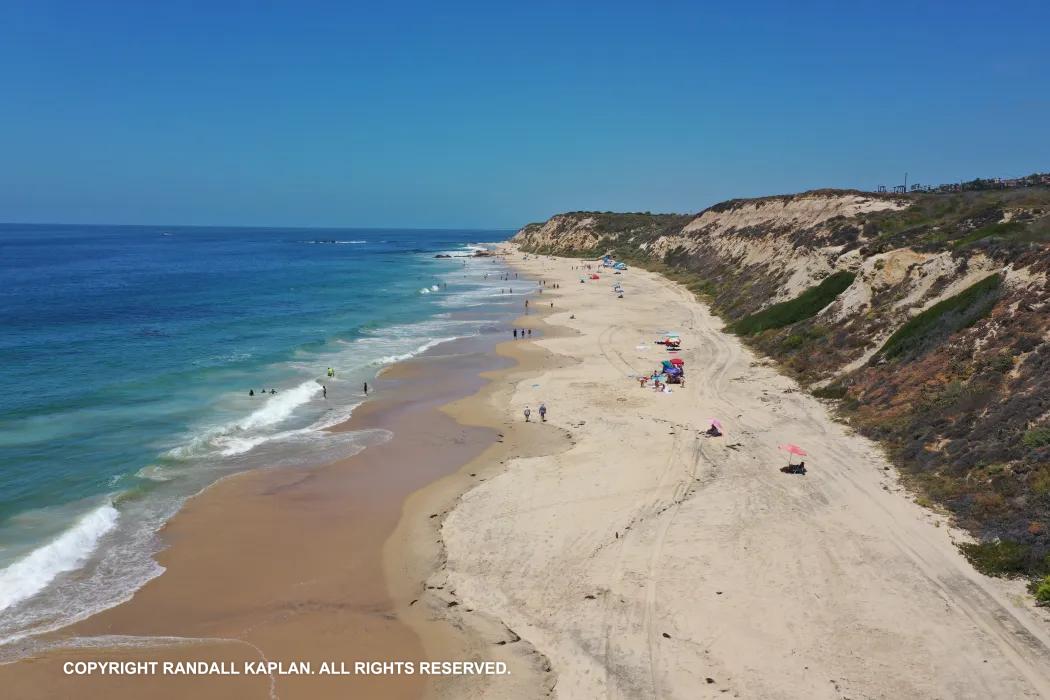
Nestled between Newport Beach and Laguna Beach in Southern California, Crystal Cove State Park Beaches is known for its natural seashore and plentiful activities. To get to this beach, you can enjoy the scenic drive along the Pacific Coast Highway, where you’ll find the Los Trancos Parking Lot that charges $5 per hour, or $15 per day.
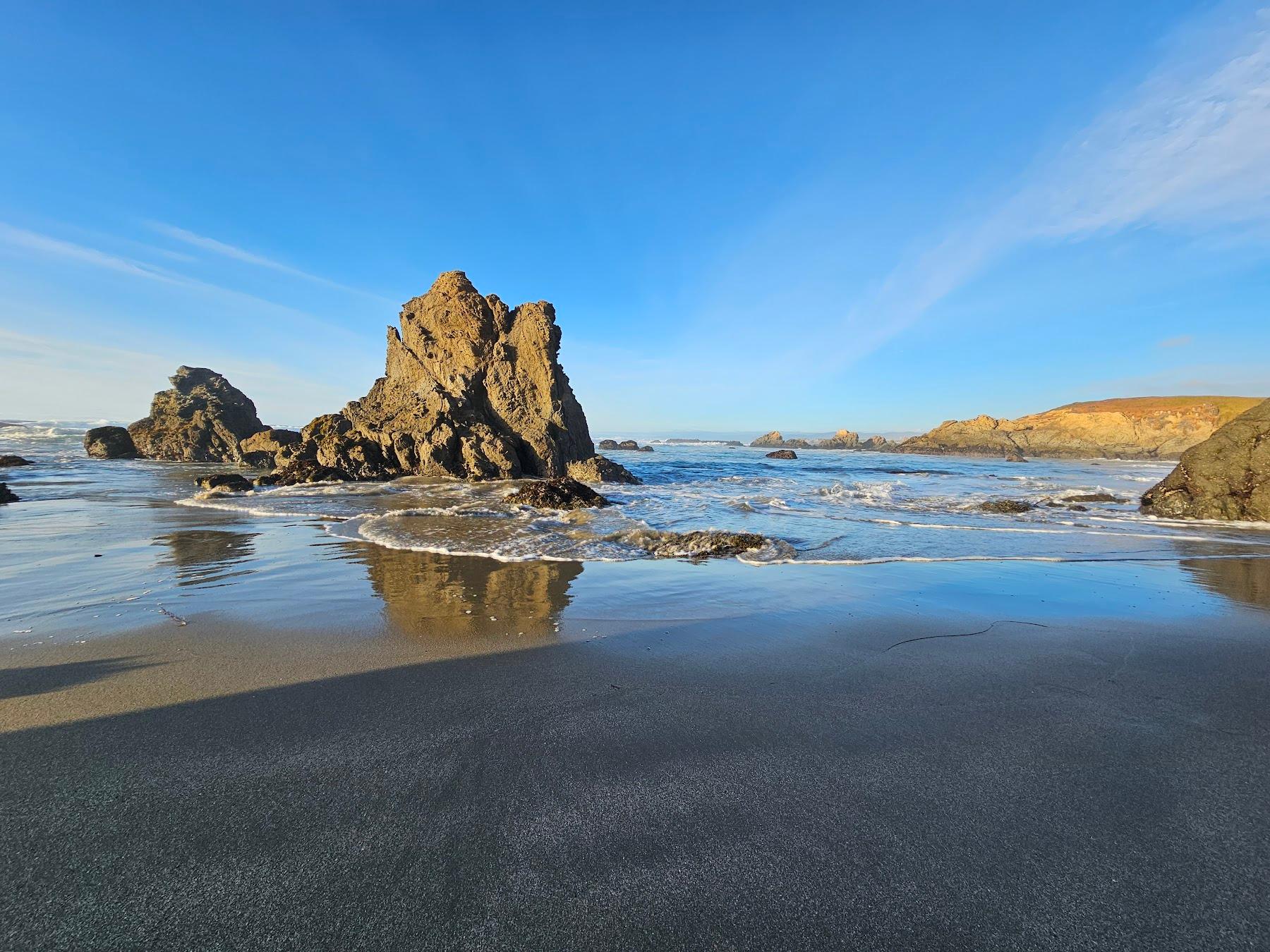
Glass Beach gets its name from a specific quality that makes it one of the most unique beaches in the world: its colorful, smooth, glass-made sand. Yes, you read that right - this beach's sand is not made from rock, but from glass. Because this location was once a trash dump, things like glass bottles became smooth sand as time went on. Today, the beach is immaculately clean, with the glass sand to give it some character.
Nestled in Santa Barbara, Southern California, Butterfly Beach is a hidden gem with stunning ocean views and a peaceful atmosphere. Visitors are drawn here to enjoy the quiet and beauty away from crowded spots.
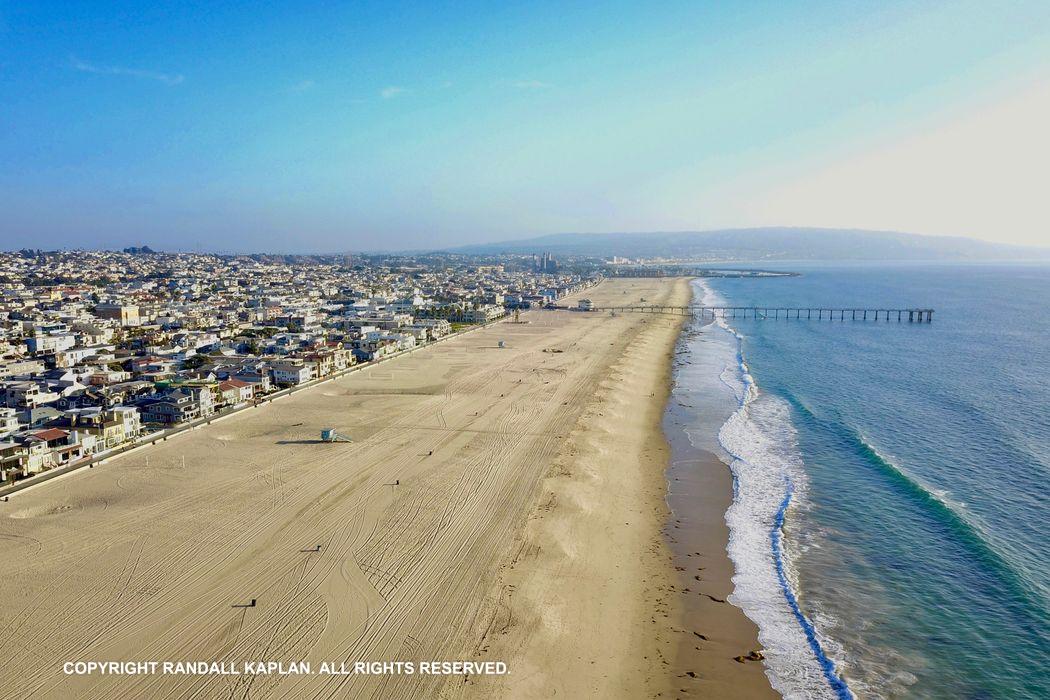
Considered Manhattan Beach’s more youthful and rowdy counterparty, Hermosa Beach is one of South Bay’s most popular beaches. At Hermosa, experience the quintessential small-town beach experience with a lively twist. Situated near the Los Angeles International Airport, Hermosa Beach offers LA beachgoers a much-needed escape from the hustle and bustle of the big city. Only 40 minutes from the hustle and bustle of Downtown Los Angeles, Hermosa Beach feels worlds away. Although it has less street parking than nearby Manhattan Beach, it’s still far more accessible than many LA beaches even during the summer. Beachgoers flock to Hermosa for its stunning beachfront, which is the spitting image of the perfect LA beach. With its clear and vibrant turquoise water, clean white sand, quaint walking and biking paths, and panoramic views from the bluffs of Palos Verdes to Malibu, Hermosa visitors hitch an umbrella and lounge in paradise.
Located in the town of Point Reyes Station, Limantour Beach is a long, wide, and south-facing beach situated between Drakes Estero and Limantour Estero. Limantour Beach is a part of Point Reyes National Seashore and Estero de Limantour State Marine Reserve. Limantour Beach is a family-friendly beach as children can swim in its safe waters that are protected by Drakes Estero in the west. Limantour Beach is a perfect destination for birdwatching and beachcombing because it is backed by many wetlands. Limantour Beach welcomes dogs on leash at the southern part of the beach.
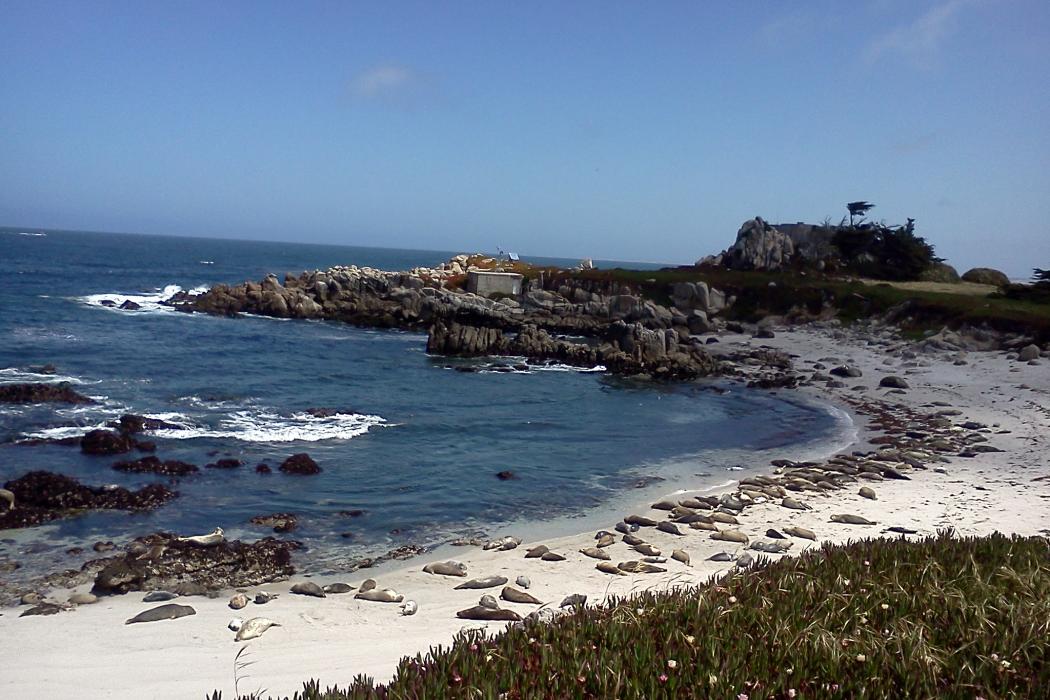
Located in the city of Monterey, Monterey State Beach - Roberts Beach is a long and narrow beach that is one of the three beaches that are part of Monterey State Beach. Monterey State Beach - Roberts Beach is also known as Houghton M. Roberts Beach and Sand Dunes Drive Beach – and is an awesome destination for fishing, beachcombing, and beach walking. Monterey State Beach - Roberts Beach is a dog-friendly beach as it welcomes dogs on leash at the southern end.
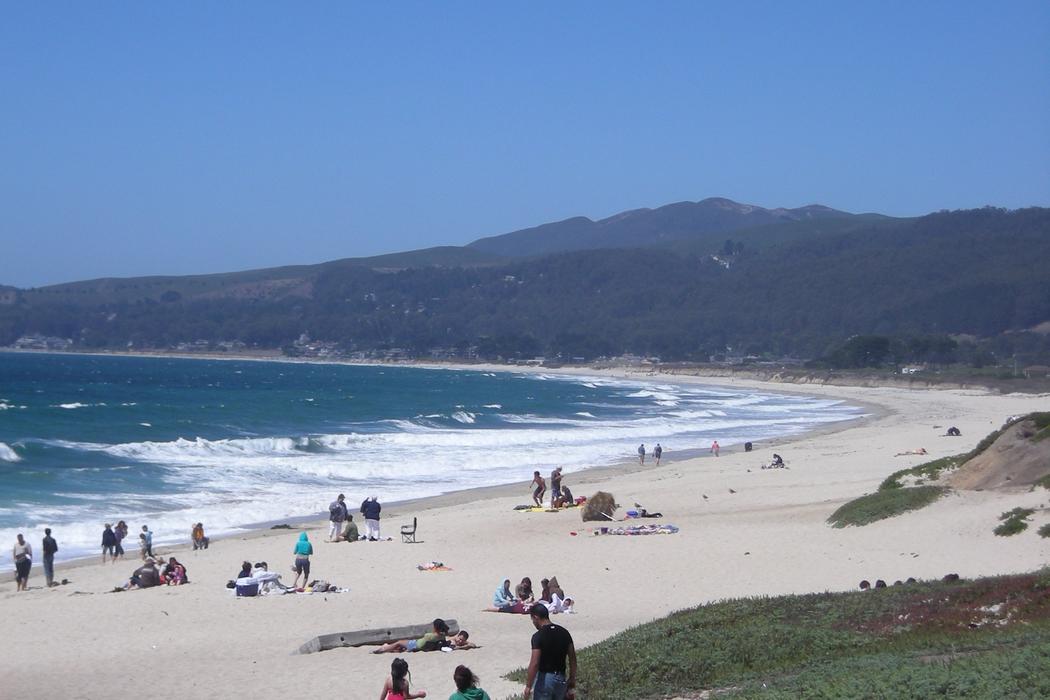
Francis Beach is a part of the state park that has the similar name Half Moon Bay State Beach, which itself is four miles long and is made up of four beaches. Francis Beach, which is also known as Kelly Beach, is one of the southern of these four beaches and is equipped with picnic tables and barbeques on the blufftop.
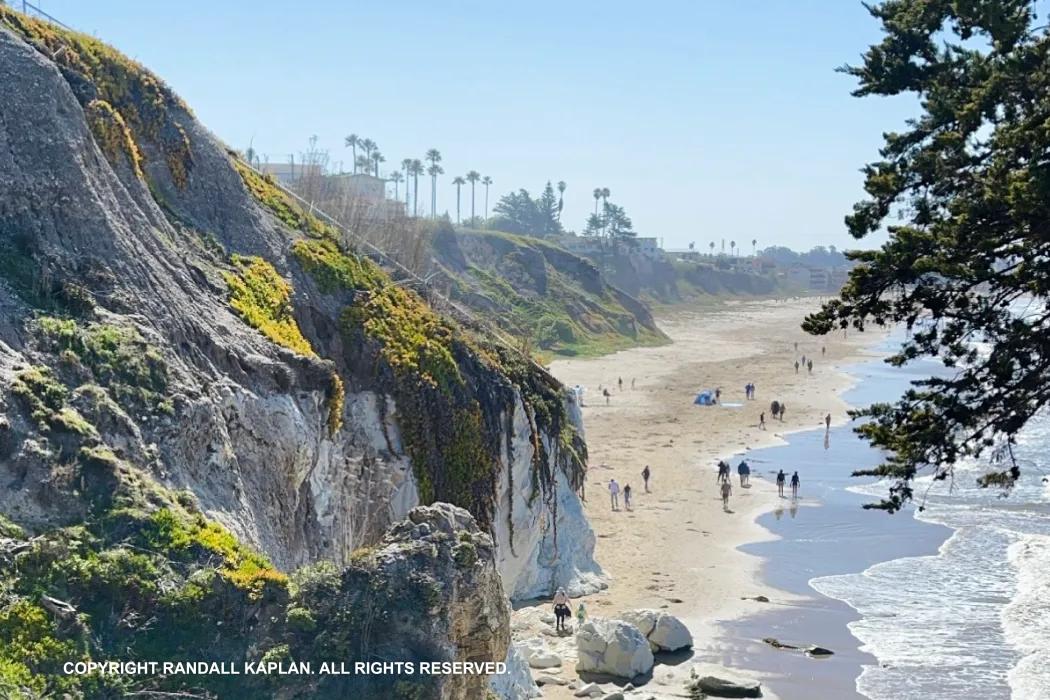
Located north of Pismo Beach Pier, the Wilmar Stairs access are a set of public wooden stairs providing access to a beach area that is a bit secluded from the adjacent Pismo State Beach. The beach has beige sand and cliffs and coves to the north. A short walk to the south of the beach will lead you towards the iconic Pismo Beach Pier, which is visible from the beach areas.
Located in the city of Half Moon Bay, Poplar Beach - also known as Blufftop Beach - is located along the central part of the San Mateo County shoreline. The beach is situated below a bluff-top grassy park, is narrow, and has light brown sand. Poplar Beach is popular among pet lovers as it is one of the very few beaches in Half Moon Bay to allow dogs on leash. Additionally, trail runs are popular in the area, providing an adventurous way to explore the coastal landscape.
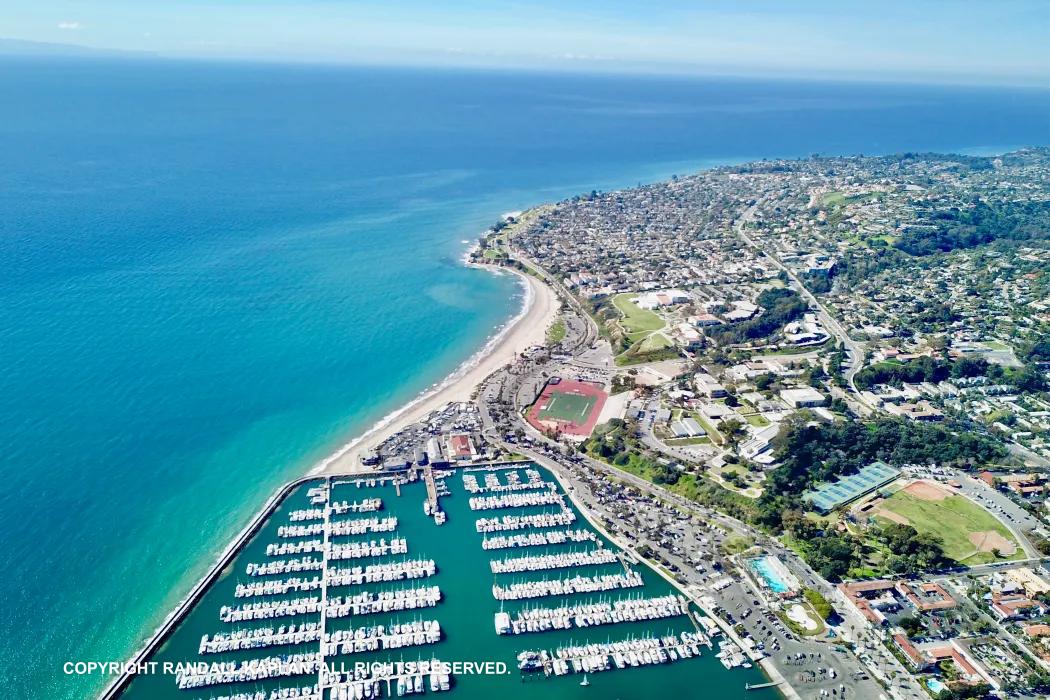
Located in the heart of Santa Barbara, Leadbetter Beach is one of the most popular beaches in the area because of its clear waters, consistent winds, and wide sands. Santa Barbara City College is right next to this beach so expect to see lots of students getting some sunshine between classes.
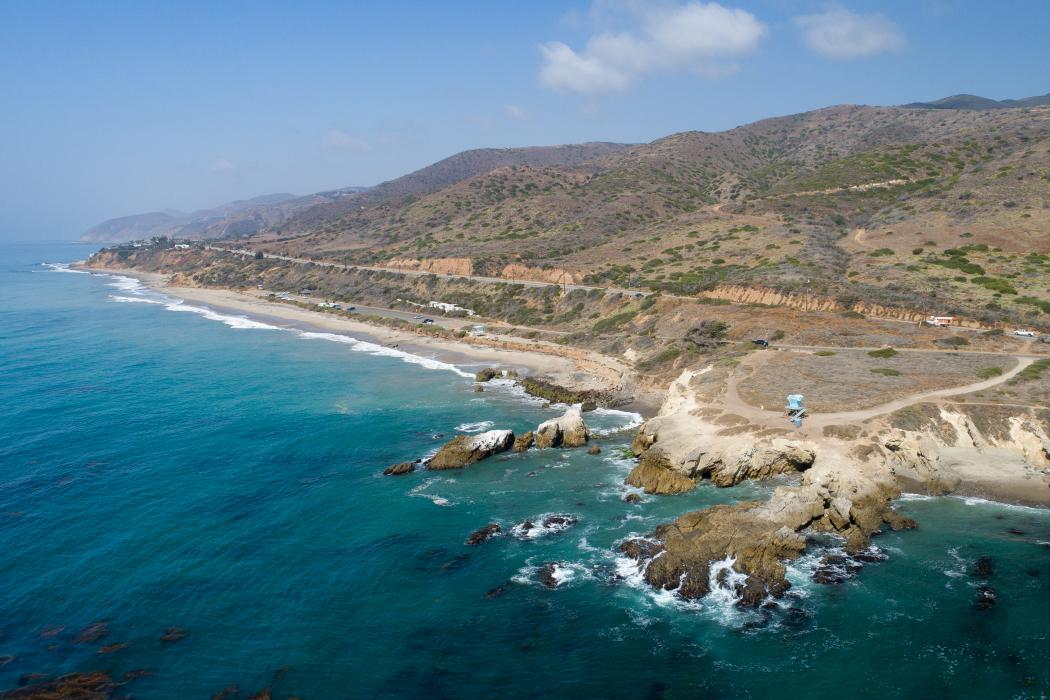
Located in the city of Malibu, Leo Carrillo State Beach is a wide and one-and-a-half-mile long beach that is part of the Leo Carrillo State Park. Leo Carrillo State Park is named after Leo Carrillo, an actor and preservationist, who served on the California Beach and Parks Commission for 18 years - and is 2,513 acres in size. Many prominent actors including Elvis Presley, Jerry Lewis, Nancy Sinatra, and Dick Clark have been featured in films shot at this park. Leo Carrillo State Beach is sometimes referred to as one beach – but it is commonly viewed as three separate beaches each with its access point: Leo Carrillo - North Beach, Leo Carrillo - South Beach, and Leo Carrillo - Staircase Beach. Sequit Point is a rocky area between Leo Carrillo - North Beach and Leo Carrillo - South Beach where you can see tide pools and sea caves during low tides.
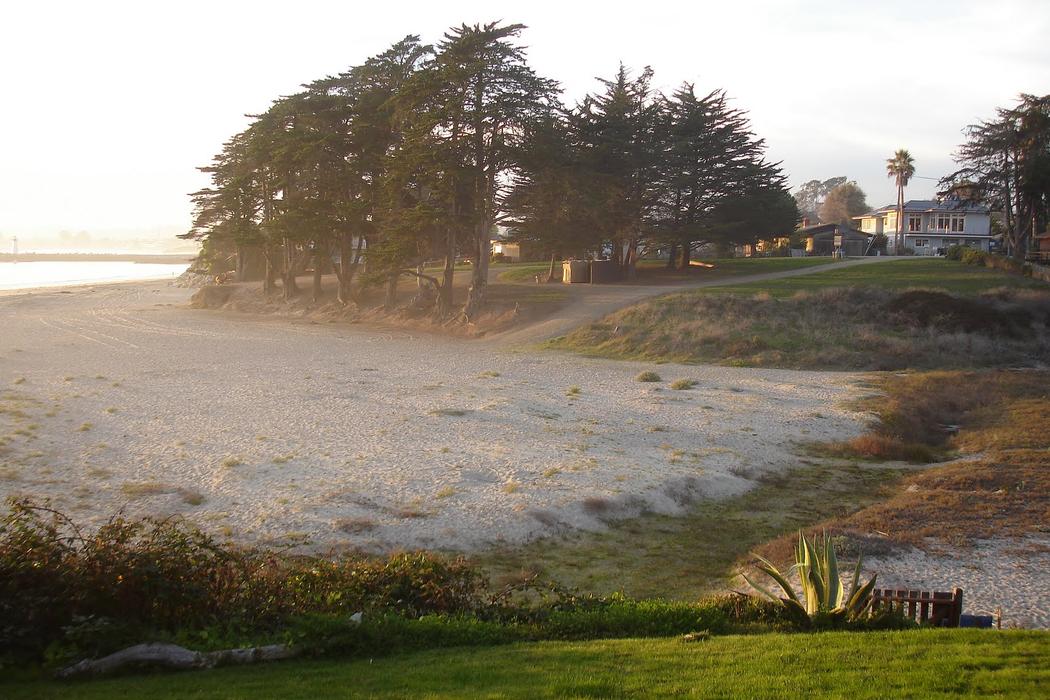
Located in the Live Oak area of Santa Cruz County, Blacks Beach – which is also known as Lincoln Beach, Black’s Beach, or 14th Avenue Beach – is a beach area that is often confused as a part of the adjoining Twin Lakes Beach. However, both the beach areas are essentially separate as the narrow sandy pass connecting them often gets submerged in water during high tide. The beach is named for the nearby Black Point rock formation, which is located just off the shoreline and is basically a black rock island. The beach is situated adjacent to the Bonita Lagoon and has soft light brown sand. Although the beach has lifeguards, it only has a few other amenities including a few restrooms, sitting areas, and fire pits. The beach allows pets on a leash. To access the beach, simply drive to 198 14th Avenue. We recommend either parking in the parking spots along the 9th Avenue near Twin Lakes State Beach or using a paid permit to avail of weekend Street parking facilities (from April to the first Monday of September).
Located in the Westside region of Los Angeles County, Will Rogers State Beach - sometimes also known as Will Rogers Beach - is a large and three miles long beach with light brown sand, a few rocky breakwaters, and a few rocks. The approximate area of this beach is around 103 acres. This beach is located in the neighborhood of Pacific Palisades - it is important to note that despite this beach’s name, Will Rogers State Beach is actually managed by the County of Los Angeles. The southern portion of this beach is wide and sandy and the central portion of this beach has a series of short rocky breakwaters. The northern portion of this beach is significantly narrow and this portion is also rockier than other parts of Will Rogers State Beach. The northernmost portion of this beach is named Sunset Point Beach and it is also known as Sunset Beach. In addition, there is also another portion of Will Rogers State Beach that is known as Ginger Rogers Beach - this beach is located near the southernmost portion of Will Rogers State Beach. Ginger Rogers Beach is located just south of the intersection of Pacific Coast Highway and Entrada Drive - this beach is popular with the local LGBTQ+ community. Will Rogers State Beach is named after famous Hollywood actor and cowboy Will Rogers - Will Rogers initially owned a portion of this beach area and he also owned an estate nearby. After Rogers’ death in a plane crash in 1935, his wife Betty inherited his estate and properties. Betty in turn donated Rogers’ coastal land to the State of California. Will Rogers State Beach was dedicated to the public by the State of California in 1942. In 1975, the County of Los Angeles took over the management of this beach from the State of California. There is a rock on Will Rogers State Beach that has a bronze plaque commemorating Will Rogers. Will Rogers State Beach should not be confused with another separate state park named Will Rogers State Historic Park- this state park is located near Will Rogers State Beach. As an interesting fact, many movies and television shows have been shot on Will Rogers State Beach including the popular television show Baywatch, the 1954 movie Creature from the Black Lagoon, and the 1950Humphrey Bogartmovie In a Lonely Place. A creek named Rustic Creek flows in the southern portion of Will Rogers State Beach - once this creek passes the beach, it flows into the Pacific Ocean. Will Rogers State Beach has lifeguards - the lifeguards here are deployed from sunrise to sunset. In addition to lifeguards, Will Rogers State Beach also has many other amenities including picnic tables, a children’s playground, concession stands, restrooms, a walking path, showers, volleyball courts, and a biking path. Dogs are not allowed in Will Rogers State Beach. Beach wheelchairs for visitors with disabilities are available at Will Rogers State Beach on a first-come-first-serve basis. If you want a beach wheelchair, you can contact the lifeguards posted at Will Rogers State Beach for more information regarding the wheelchair booking process.
Please note that as a result of the Palisades Fire in January 2025, many of the businesses and homes near Will Rogers State Beach have been destroyed, and we recommend not visiting this beach due to unsafe water conditions and poor air quality.
Located in the village of Bodega Bay, Bodega Dunes Beach is a large beach that has light brown sand and a large amount of driftwood. This beach is located below oceanfront bluffs and it is located adjacent to a campground named Bodega Dunes – Bodega Dunes Beach is part of a state park named Sonoma Coast State Park. Although Bodega Dunes Beach does not have any lifeguards, the bluff top area above the beach has many other amenities including restrooms, picnic tables, walking trails, horse riding trails, and barbecue areas. Dogs are not allowed at Bodega Dunes Beach. Getting to Bodega Dunes Beach is easy - the access trail to the beach is located on the western end of Bodega Road. The western end of Bodega Road is located near the northern end of Bodega Bay. Bodega Road is easily accessible from California State Highway 1 / Pacific Coast Highway. There is also a paid day-use parking lot near the beach access trail. We recommend visiting this beach while wearing appropriate footwear because this beach has a large amount of driftwood. Bodega Dunes Beach offers a unique blend of natural beauty and convenience with its proximity to harbor seals basking on the sandy beaches and the availability of hot showers and flush toilets at the nearby campground.
Situated just west of the intersection at Mountain Road and South Coast Highway in Laguna Beach, Mountain Road Beach is a small section of beach right in front of the Capri Laguna hotel. The beach is best known for its beautiful historical memorial, the Garden of Peace and Love, located directly at the top of the entrance.
Top LBGTQ Beaches in Alameda, California
N/A
Top LGBTQ Beaches in Alaska
Top LGBTQ Beaches in Albion, California
Top LGBTQ Beaches in Altoona, Florida
Top LGBTQ Beaches in Alys Beach, Florida
Top LGBTQ Beaches in Amelia Island, Florida
Top LGBTQ Beaches in Angels Camp, California
Top LGBTQ Beaches in Anna Maria, Florida
Top LGBTQ beaches in Apollo Beach, Florida